Alcohol abuse and drug abuse may also make anger more difficult to control. Learning to manage anger related to these conditions may call for a different approach than other types of anger. Since ruminating on unpleasant thoughts can fuel alcohol-related aggression, learning to let things go may be key to improving. If you catch yourself mentally replaying scenarios where other people have hurt or angered you, you can try turning your thoughts to something more positive. It might help to remind yourself that dwelling on the sources of your anger will likely cause you unnecessary pain.
One on one therapy
- Alcohol doesn’t just lower inhibition; it can also act as a key to unlocking emotions that have been buried or suppressed.
- Another critical neurotransmitter affected by alcohol is glutamate, which is responsible for excitatory signals in the brain.
- In many cases, individuals with underlying anger issues may turn to alcohol as a means of coping with or suppressing their intense emotions.
- Poor judgement and lack of self-control can lead to making irrational decisions, which can make a person even angrier with everything.
- PHPs accept new patients, and people who have completed an inpatient program and require additional intensive treatment.
Alcohol can intensify existing emotions, often resulting in an exaggerated display of anger. What can I do in the moment if I feel myself getting angry while drinking? Mindful drinking is about bringing awareness to the act of drinking itself. Instead of letting your mind wander or drinking automatically, you pay close attention to the experience.
Psychological Effects of Ecstasy: Short-Term Bliss and Long-Term Consequences
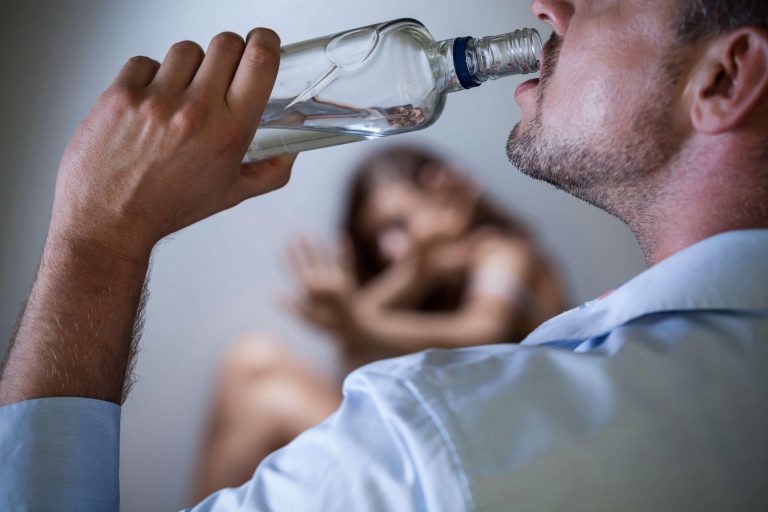
Synthetic cannabinoids, commonly known as “Spice” or “K2,” are particularly notorious for their impact on mental health. These substances can overstimulate various systems within the brain, leading to profound mood swings, emotional instability, paranoia, and aggressive behavior. While users may initially seek them for their psychoactive effects, the reality is often much darker, ranging from overwhelming anxiety to full-blown psychotic episodes. Alcohol and anger are often intertwined, but they don’t have to be. By understanding the science behind alcohol’s effects on the brain and emotions, you can take steps to regain control and make healthier choices.
Influence of alcohol on the expression of hidden emotions
- Support groups or addiction counseling can tackle the underlying issues effectively.
- Understanding why alcohol makes you angry is the first step toward making positive changes.
- We just know that once the drinks start flowing things can get pretty ugly.
- It intensifies sadness, anxiety, and inner turmoil while adding even more challenges to deal with.
Beyond just the chemical reaction that alcohol has on the brain, there is also the psychological impact as well. Some people drink alcohol as a way to self-medicate, whether it be for a physical Alcoholics Anonymous ailment or a mental one. Alcohol initially has a mood-enhancing effect, making individuals feel more relaxed and less inhibited. However, over time, prolonged alcohol use can actually make these ailments worse, leading to feelings of frustration, anger, hostility, and, ultimately, aggression. While alcohol is busy giving you that dopamine hit, it’s also dampening the activity in your prefrontal cortex — the part of your brain responsible for rational thought and impulse control.
It’s about making conscious choices instead of drinking on autopilot, which allows you to enjoy a drink without letting it dictate your emotions. Ever felt grumpy and irritable on a hot day when you haven’t had enough water? Alcohol is a diuretic, which is a fancy way of saying it makes you urinate more frequently.
Find Support and Create Balance
Being surrounded by aggressive peers can drastically increase the likelihood of aggressive behaviors while drinking. If your friends are prone to starting fights or reacting violently, you may find yourself mirroring these actions under the influence of alcohol. Treating both anger and alcohol addiction requires a dual-focused approach. They also need help learning how to regulate emotions and respond to stress in healthier ways. Have you ever wondered why someone becomes angry after a few drinks, or why alcohol seems to spark conflict rather than calm nerves? While each can occur independently, their combination often creates a volatile cycle that can destroy relationships and health.
- Understanding the distinction between feeling anger and displaying aggression is essential when exploring how substances influence emotional and behavioral responses 1.
- Ultimately, Timmy would lead to the death of Paul’s girlfriend who drowned in a boating accident that Paul (in drunken Timmy mode) was responsible for.
- Alcohol acts like an amplifier for whatever you’re already feeling, even if it’s subconscious.
Expressive therapies provide healthy, and often nonverbal, outlets for the expression of negative and difficult emotions. Finally, support groups provide encouragement and hope for recovery. Drinking may also be a method to self-medicate negative emotions, including anger.
Alcohol’s Impact on Impulse Control
As a positive, unalarming emotion and one that others are used to seeing, however, happiness isn’t https://ecosoberhouse.com/ on the radar as much as anger. In a 2017 report, researchers shared their findings of the relationship between alcohol and dating violence. The study included 67 undergraduate men who were currently dating someone. At West LA Recovery, we’re here to make that step as easy as possible.
Research has consistently shown a link between alcohol consumption and aggressive behavior. One study found that individuals who had consumed alcohol were more likely to respond aggressively to provocation compared to those who hadn’t been drinking. It’s like alcohol gives the green light to our inner Hulk, allowing rage to take the wheel. Encouraging responsible drinking and seeking help when needed alcohol and anger are crucial steps in reducing alcohol-related aggression. Contrary to popular belief, anger is not the sole emotional experience while drinking.